
Sensitive skin usually does better with less. A short routine—gentle cleanser, plain moisturizer, daily sunscreen—beats a crowded shelf of actives. This guide helps you identify common triggers, patch-test new products, and rebuild comfort before you experiment with anything stronger. It is not a diagnosis or medical treatment plan.
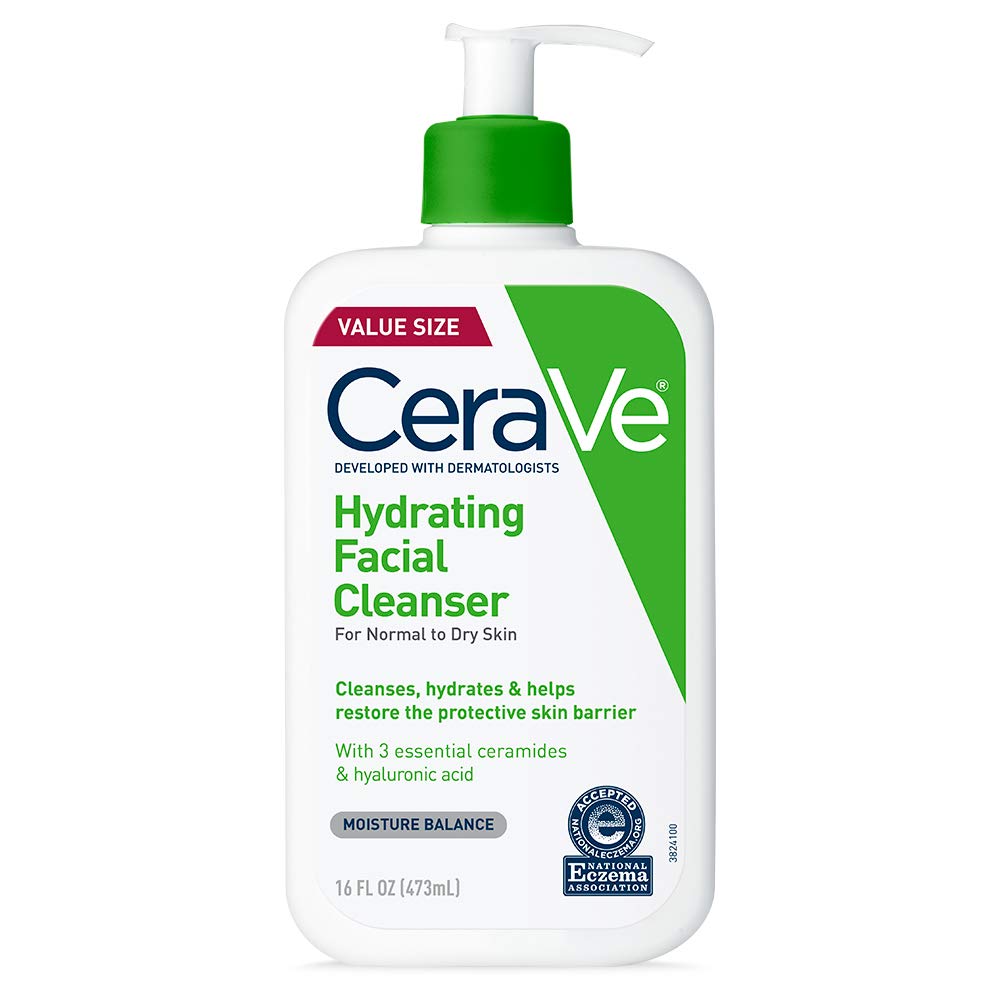
Common triggers to watch
Fragrance (including essential oils), high-strength acids, harsh surfactants, and physical scrubs are frequent irritants. Alcohol-heavy toners and "tingling" formulas can also sting reactive skin. If several products bother you, the pattern is often the scent system or the cleanser—not a mysterious allergy to every brand.
Build the minimal base first
Use a fragrance-free cleanser that does not leave skin tight. Follow with a simple moisturizer with humectants and barrier lipids. In the morning, add a sunscreen you can tolerate. Stay on this base for one to two weeks before introducing any serum. If the base itself stings, change one product at a time until comfort returns.
Patch-test method: apply a pea-size amount to the inner forearm twice daily for three days. If calm, try a small area of the face next.
When actives make sense
Once skin is calm, some people can add low-strength niacinamide or a mild retinoid very slowly. Do not stack multiple new actives. If redness, burning, or flaking appears, return to the base routine. Sensitive-skin success is measured by comfort on ordinary days, not by how many bottles you own.
What to avoid early on
- Fragrance-heavy cleansers and "naturally scented" leave-ons.
- Daily physical scrubs on irritated skin.
- Starting retinol and exfoliating acids together.
- Judging a product after one use when the real issue is barrier damage from last week's routine.
| Routine stage | Products | Goal |
|---|---|---|
| Reset | Cleanser + moisturizer + SPF | Restore comfort |
| Test | Add one leave-on | Confirm tolerance |
| Maintain | Keep the short stack | Avoid relapse from overload |
Bottom line
Sensitive skin care is mostly subtraction. Choose fragrance-free basics, patch-test, and only add complexity when your barrier feels stable.
How to reintroduce products after a flare
After a sensitive-skin flare, wait until stinging stops on plain moisturizer. Then add sunscreen back. Only after several calm days should you consider a single serum. Keep a simple log: product name, date started, and any tightness, itch, or redness. That log prevents you from blaming the wrong bottle later.
Laundry and pillowcases can also mimic product sensitivity. If face products are minimal and symptoms continue, wash bedding fragrance-free and avoid fabric softener before buying another serum.
Frequently Asked Questions
Is fragrance-free the same as unscented?
Not always. Unscented products may still use masking fragrance. Check the INCI list for parfum or essential oils.
Should I exfoliate if I have sensitive skin?
Often less, or not at all until skin is calm. If you try acids later, start infrequently and stop at the first sign of sting that lasts.
Can sensitive skin use retinoids?
Some people can, with a slow schedule and strong moisturization. Others should stick to barrier care and ask a clinician for guidance.
How do we pick sensitive-skin products?
We favor clear free-from fragrance claims, mild surfactants, and review patterns that mention low irritation—not paid placements.
As an Amazon Associate, Shampoosy earns from qualifying purchases. Our editorial recommendations are made independently of affiliate relationships.
Sources & methodology
Product picks follow our editorial methodology—review aggregation, spec comparison, and gallery curator criteria—not paid placement.