
Electric toothbrushes and water flossers make consistency easier when the device is comfortable, the battery lasts, and replacement parts stay available. This guide compares what actually matters in the spec sheet and in long-term ownership—not every blinking mode on the box.
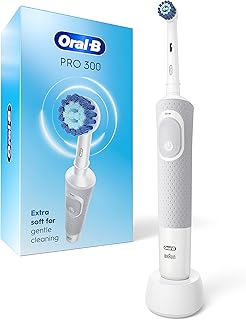
Electric toothbrushes: features that matter
A two-minute timer and pressure sensor help more people than a dozen unused modes. Check brush-head replacement cost and availability before you buy a handle. Soft or sensitive heads are often the better default. Sonic and oscillating designs can both work; pick the feel you will use twice daily.
Water flossers: pressure and tips
Adjustable pressure is essential, especially if your gums are easily irritated. Start on the lowest setting and work up. Look for a reservoir size that matches your bathroom routine and tips that are easy to replace. A water flosser complements string floss for many people; it does not automatically replace professional dental care.
Ownership tip: calculate first-year cost as handle + charger + replacement heads or tips. A cheap handle with expensive consumables can cost more over time.
Whitening add-ons
Strips and LED kits vary widely in sensitivity. If your teeth react easily, choose gentler peroxide systems and follow the stated frequency. Enamel-safe marketing language is not a license to overuse. Stop if sharp pain persists and talk with a dental professional when needed.
What to avoid
- Buying on mode count instead of comfort and head cost.
- Using maximum water-flosser pressure on day one.
- Ignoring charging cradle fit for your bathroom layout.
- Assuming any gadget replaces cleanings and checkups.
| Device | Must-have | Nice-to-have |
|---|---|---|
| Electric brush | Timer + affordable heads | Pressure sensor, travel case |
| Water flosser | Adjustable pressure | Larger tank, multiple tips |
| Whitening | Clear usage limits | Sensitivity-friendly formula |
Bottom line
Choose oral-care tech for daily compliance and fair replacement costs. The best device is the one that stays on your counter and gets used correctly.
Travel and shared bathrooms
If you travel often, prioritize a brush with a solid travel cap and a charger you will actually pack. For water flossers, compact cordless models help, but check reservoir size so you are not refilling mid-session. Store brush heads upright and dry between uses.
Shared bathrooms benefit from clearly labeled heads and a charging spot that does not invite knocks into the sink. Durability feedback in reviews often matters more than one extra cleaning mode.
Frequently Asked Questions
Are expensive brushes worth it?
Only if comfort, battery life, and head pricing are better. Mid-range brushes with timers often cover the essentials.
Can a water flosser replace string floss?
For some routines it helps a lot, but many dentists still recommend string floss or interdental brushes for tight contacts. Ask your dental professional.
How often should I replace brush heads?
Often about every three months, or sooner if bristles splay. Follow the manufacturer guidance for your model.
How does Shampoosy compare devices?
We weigh verified-buyer durability notes, battery complaints, and consumable pricing alongside manufacturer documentation.
As an Amazon Associate, Shampoosy earns from qualifying purchases. Our editorial recommendations are made independently of affiliate relationships.
Sources & methodology
Product picks follow our editorial methodology—review aggregation, spec comparison, and gallery curator criteria—not paid placement.