
Fragrance-free shopping fails when "unscented" still hides masking scent, or when essential oils appear under a natural story. This guide shows how to verify hair, skin, and body products on the ingredient list, where scent hides in routines, and how to rebuild a low-scent shelf without giving up performance.
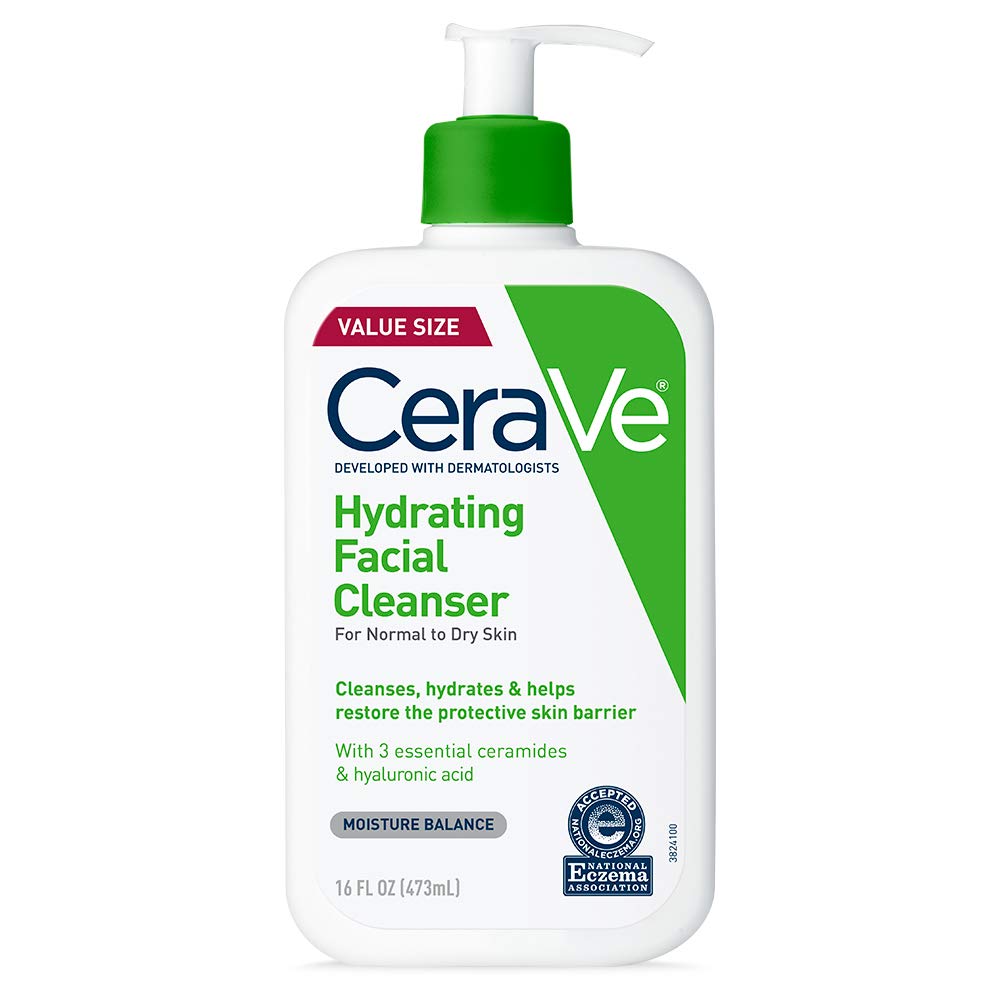
Fragrance-free vs unscented
Fragrance-free should mean no added scent ingredients for perfume effect. Unscented can mean the product has little smell because masking fragrance was added. Always read the INCI list for parfum, fragrance, and common essential oils. If those appear, treat the product as scented for sensitivity purposes—even if the bottle smells mild in the store.
Where scent sneaks into routines
Shampoo, conditioner, body wash, deodorant, fabric softener, and leave-on creams stack. Someone who "only reacts to perfume" may actually be reacting to the combined load. Start by removing scent from leave-ons and products that sit on skin for hours. Rinse-off swaps help next.
Editor tip: change one product category at a time for a week. If symptoms improve after swapping leave-on moisturizer and deodorant, you found a high-impact pair.
Hair, skin, and body priorities
For hair, fragrance-free shampoo and conditioner matter most if you wear styles that keep product near the scalp. For face, prioritize fragrance-free moisturizer and sunscreen. For body, watch wash and lotion, especially after shaving. Performance does not require a perfume finish—many gentle formulas clean and moisturize quietly.
What to avoid
- Trusting a leaf icon over the ingredient list.
- Assuming essential oils are automatically safer than synthetic fragrance.
- Layering multiple "lightly scented" products all day.
- Returning every bottle after one wash day without a controlled swap plan.
| Category | Check the label for | Swap priority |
|---|---|---|
| Face leave-ons | Parfum / essential oils | Highest |
| Deodorant | Fragrance load | High |
| Hair care | Long scent lists | Medium-high |
| Body wash | Heavy perfume systems | Medium |
Bottom line
True fragrance-free routines are built from ingredient lists and controlled swaps. Reduce leave-on scent first, then simplify the rest of the shelf.
Building a low-scent bathroom shelf
Store fragrance-free staples together so you do not grab a scented bottle on autopilot. Replace the highest-contact leave-ons first: face moisturizer, sunscreen, deodorant. Then swap shampoo and body lotion. Keep one scented treat product only if your skin stays calm—otherwise the exception becomes the trigger.
When shopping Amazon listings, expand the ingredients screenshot. Marketing copy often says gentle while the INCI still lists parfum. If the listing has no ingredient image, skip it or contact the seller before buying for a sensitive household.
Frequently Asked Questions
Are essential oils okay if I avoid 'fragrance'?
Not necessarily. Essential oils can still trigger sensitivity. If you are reactive, treat them like fragrance.
Why does unscented still smell like something?
Base ingredients have their own scent, or masking agents may be present. Read the full list.
Can fragrance-free products still work well?
Yes. Many gentle cleansers and moisturizers perform without perfume additives.
How does Shampoosy verify fragrance-free picks?
We read INCI lists, compare marketing claims against ingredients, and note review patterns about scent or irritation.
As an Amazon Associate, Shampoosy earns from qualifying purchases. Our editorial recommendations are made independently of affiliate relationships.
Sources & methodology
Product picks follow our editorial methodology—review aggregation, spec comparison, and gallery curator criteria—not paid placement.