
Most people do not need a 10-step anti-aging shelf. They need daily sunscreen, a moisturizer that keeps the barrier comfortable, and—if skin tolerates it—one well-chosen retinoid used consistently. This guide focuses on that practical stack. It is educational product guidance, not medical treatment advice; see a dermatologist for prescription options or persistent skin concerns.
Start with sunscreen, every day
UV exposure is the factor you can control daily. A broad-spectrum SPF 30 or higher, applied in the morning and reapplied when you are outdoors for long stretches, protects the work of every other product. If sunscreen feels greasy, try a gel, fluid, or hybrid texture rather than skipping the step. The best SPF is the one you will wear on ordinary weekdays.
Retinoids: slow is better
Over-the-counter retinol and related retinoids can support smoother-looking skin over time, but the common failure mode is starting too strong. Begin two or three nights a week, buffer with moisturizer if needed, and increase only when skin stays calm. Peeling, tightness, or stinging means you should scale back—not push through with more product.
Routine check: introduce retinoids on nights when you are not also using strong acids. Give each change two to four weeks before judging it.
Moisture and barrier support
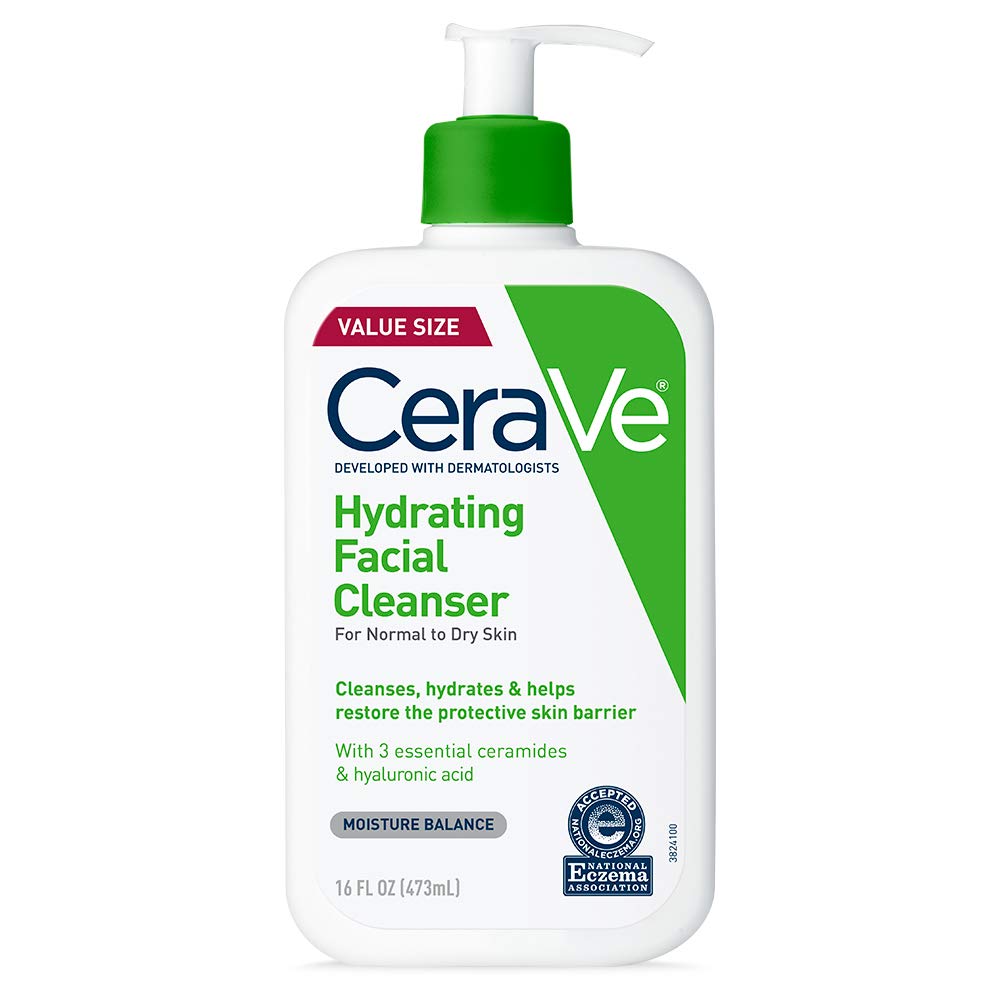
Anti-aging routines fail when the barrier is compromised. Ceramides, glycerin, cholesterol, and simple occlusives help skin stay comfortable while you use actives. If your face feels tight after cleansing, fix the cleanser and moisturizer before adding another serum. Comfortable skin is the platform that makes retinoids usable.
Optional add-ons
Vitamin C can help with brightness for some people, especially in the morning under sunscreen. Peptides and niacinamide are often easier to tolerate than strong acids. Exfoliating acids can refine texture, but they compete with retinoids for skin tolerance. Pick one lane at a time.
What to avoid
- Starting retinol, AHA, and vitamin C in the same week.
- Using a strong retinoid every night from day one.
- Skipping SPF while using brightening or resurfacing products.
- Expecting overnight wrinkle erasure from any retail product.
| Step | When | Goal |
|---|---|---|
| Cleanser | AM / PM | Remove sunscreen and oil without stripping |
| Retinoid | PM, gradual | Support texture over months |
| Moisturizer | AM / PM | Keep barrier comfortable |
| Sunscreen | AM | Daily UV protection |
Bottom line
A durable anti-aging routine is boring on purpose: cleanse gently, moisturize well, wear SPF, and add one retinoid only when skin can handle it. Consistency beats intensity.
Morning vs evening priorities
Morning is for protection: gentle cleanse if needed, antioxidant optional, moisturizer, sunscreen. Evening is for treatment: cleanse thoroughly, retinoid if scheduled, moisturizer. If your skin is dry, apply moisturizer first and retinoid second (buffering), or mix a pea of retinoid into moisturizer while you build tolerance.
Track one visible goal at a time—texture, tone, or dryness—so you do not keep adding products out of impatience. Photos in the same bathroom light once a week beat daily mirror anxiety.
Frequently Asked Questions
Do I need prescription retinoids?
Not always. Many people start with OTC retinol. A dermatologist can advise if you need a prescription strength or have medical concerns.
Can I use vitamin C with retinol?
Often yes if you separate them—vitamin C in the morning, retinoid at night—and your skin stays calm. If irritated, pause one.
How long until I see results?
Hydration can improve quickly. Texture and tone usually need weeks to months of consistent use with daily sunscreen.
What if my skin gets dry on retinol?
Reduce frequency, moisturize more, and avoid stacking acids. Comfort first, then rebuild the schedule.
As an Amazon Associate, Shampoosy earns from qualifying purchases. Our editorial recommendations are made independently of affiliate relationships.
Sources & methodology
Product picks follow our editorial methodology—review aggregation, spec comparison, and gallery curator criteria—not paid placement.